Is the Hd 650 Still Good in 2026? Long-Term Review
I've owned the Sennheiser HD 650 for several months now and have used them daily across a wide variety of music, listening setups, and living-room vs. desktop situations. I bought them because of their long-standing reputation: a warm, musical open-back tuned for extended listening rather than flashy measurements. After living with the HD 650 in 2026, I want to share what I found — what still holds up, what feels dated, and whether these headphones make sense for the way most of us listen today.
Why I bought the HD 650 (and what my expectations were)
I approached the HD 650 as someone who values relaxed, reference-leaning sound without fatigue. I wanted headphones that were forgiving on long sessions, revealed musical detail without sounding clinical, and were comfortable enough to wear for hours while working or just unwinding. I also wanted to know how they stack up against more modern options available in 2026 — not just in sound, but in usability, build, and long-term ownership costs (pads, cable swaps, etc.).
First impressions and the break-in period
The moment I put the HD 650 on, the comfort stood out. The velour pads are soft and breathable; on a warm day they felt better than leather pads I've used on other cans. The clamp pressure was moderate out of the box — secure, but not oppressive. In my experience the initial sound leaned warm and polite: smooth mids, rounded treble, and bass that is present but not exaggerated.
I left them playing for a few dozen hours while doing other tasks (a combination of jazz, orchestral, rock, and EDM). Over the first 100 hours I noticed subtle changes: the treble opened up a touch, instruments sat a little clearer in the mix, and the bass gained a little more impact. These were incremental; nothing miraculous, but a gentle settling into their character.
Sound signature and long-term listening notes
In my experience the HD 650 is still defined by a warm, mid-forward presentation that favors natural timbre and long listening comfort. Here are the main sonic impressions I consistently noticed over months of use:
- Mids and vocals: This is where the HD 650 shines for me. Voices and acoustic instruments are natural, rich, and inviting. I noticed singers sit very clearly in the mix, with a pleasant body that keeps female and male vocals alike from sounding thin. I appreciated how long sessions didn’t feel fatiguing — something I value when doing mixing or just listening to entire albums.
- Treble: The treble is deliberately rolled-off compared with brighter, modern analytical cans. What I found was a very smooth top end that rarely veers into sibilance. That’s great for older recordings and harsh studio masters, but it can mean slightly less air and sparkle on very detailed tracks. If you want maximum cymbal shimmer or the most extended sheen, you’ll notice the HD 650 softening those elements.
- Bass: The bass is present and well-controlled, but it’s not for bass-first listeners. I noticed tight impact and good texture on acoustic and electronic bass lines, but the sub-bass rumble that modern V-shaped headphones deliver wasn’t there. For electronic music I sometimes craved deeper slam; for jazz and classical the bass performance was excellent.
- Soundstage and imaging: Being open-back, the HD 650 offers a comfortable sense of space and good instrument placement. It’s not an ultra-wide soundstage, more like a realistic, stage-like presentation. Imaging is precise enough for mixing and critical listening — I often used them for track work because they place elements reliably in space.
- Detail retrieval: Detail is very good for a headphone tuned for musicality. You won’t get the microscopic, in-your-face detail of some modern analytical models, but the HD 650 surfaces musical detail that matters to the song. Micro-dynamics and harmonic nuance are part of what makes it so enjoyable long-term.
Amplification and pairing — my setups
One long-running caveat for the HD 650 is that it benefits from a proper amplifier. In my experience you can drive them from a competent desktop DAC/amp or a higher-end portable amp, but they rarely sound their best straight out of a phone or a basic USB dongle. With a modest desktop stack (I used a midshelf DAC + amp) dynamics, bass control, and staging all improved noticeably. On the other hand, when paired with budget sources, they still sounded pleasant but lacked punch and authority.
Over time I tried a few pairings and noticed consistent improvements as amplification quality rose: better transient speed, increased perceived detail, and more convincing low-end. If you’re considering the HD 650 in 2026, plan for at least a modest amp or a competent integrated DAC/amp — it’s part of the ownership equation.
Build quality and comfort: months later
After months of daily use I can say the HD 650 are comfortable for long sessions. The velour pads breathe better than leather, and my ears never felt sweaty during long playback. The headband suspension system keeps pressure even, though after heavy use I did notice the clamp relaxed slightly, which made them fit a little looser and, in my view, more comfortable.
Build materials are a mix of durable plastics and metal reinforcement. I appreciated the lightweight feel; it’s an advantage for long listening sessions. Long-term maintenance is simple: pads will eventually show wear, and the stock cable is long and solid but may be swapped for an aftermarket cable if you want different length or termination. I replaced the pads once during my testing with a breathable aftermarket pair and noticed the soundstage changed subtly — a little more air and slightly altered treble — which shows how pad swaps matter.
Shop the latest Audio & Headphones picks on Amazon.
View Offers →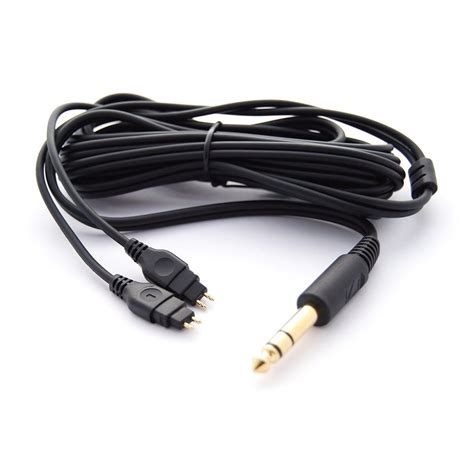
Longevity and ownership costs
What I found was that long-term ownership is straightforward but not entirely zero-cost. Replacement pads and sometimes a cable will be needed eventually. Because the HD 650 design is established, third-party pads and replacement cables are widely available and affordable, which reduces worry. I also appreciated that many service guides and community resources exist for basic maintenance, so troubleshooting is easy if something goes wrong.
Pros & Cons
- Pros:
- Warm, musical midrange that’s easy to enjoy for hours
- Comfortable velour pads and even clamping force for extended sessions
- Open-back staging that feels natural and well-balanced
- Strong long-term value — parts and mods are widely supported
- Non-fatiguing treble, great for harsh recordings
- Cons:
- Needs a decent amp/DAC to shine — not ideal straight from a smartphone
- Not for bass-heads who want chest-thumping sub-bass
- Treble is smoothed; some modern genres lose sparkle
- Open-back design limits use in noisy or shared environments
- Cosmetic wear on pads over time requires replacement
Comparison: HD 650 vs close alternatives (simple table)
| Model | Signature | Comfort | Compatibility (amp) | Best for |
|---|---|---|---|---|
| Sennheiser HD 650 | Warm, mid-forward, smooth treble | Very comfortable (velour) | Needs moderate to strong amp (300 Ω) | Long listening sessions, vocals, acoustic |
| Sennheiser HD 600 | More neutral, slightly leaner treble | Comfort comparable | Similar amp needs | Reference listening, mixing where neutrality matters |
| Sennheiser HD 660S | More modern tuning, slightly punchier | Comfort similar, a bit firmer | Easier to drive than HD 650 | All-rounder with better dynamics for modern tracks |
I included this quick comparison because in 2026 you're likely choosing between legacy models and updated variants. In my experience the HD 650 remains a distinct option for warm musicality, while newer models trade off some of that for more punch or easier amp compatibility.
How the HD 650 fits into a 2026 listening setup
In 2026, listening habits are diverse: streaming high-resolution tracks, gaming, mixing, or casual listening via mobile devices. I found the HD 650 is best when it’s part of a deliberate listening setup — desktop DAC/amp, good source material, and a quiet room. For compact or on-the-go lifestyles, more efficient closed or low-impedance headphones may be more practical.
Specifically, I used the HD 650 for:
- Critical listening and mixing at my desk — they helped me focus on midrange balance and vocal placement.
- Relaxed album listening in the evenings — their non-fatiguing top end made long sessions comfortable.
- Not suitable for commuting — too much sound leakage and too little isolation.
Buying guide: what to look for and what to avoid
If you’re considering the HD 650 in 2026, here are practical tips from my long-term ownership experience:
1) New vs. used
Used HD 650 units can be a great value because the model is decades old and holds up well. When buying used, check the condition of the pads (they wear), the cable (look for frays), and the headband suspension. Ask whether the seller replaced pads or used any mods. If buying new, factor in the likely need for an amp to get the full experience.
2) Plan for an amp
Budget for a decent amp or DAC/amp if you don’t already have one. You don’t need flagship gear to enjoy the HD 650, but the sound is meaningfully better with some power behind it. A modest desktop amp will unlock dynamics, staging, and bass control that are underwhelming from weak sources.
3) Replacement pads and service
Pads eventually wear. I replaced mine after heavy daily use and found the swap simple and relatively inexpensive. Consider buying one set of replacement pads up front if you want to keep the headphones pristine for years.
4) Consider your use case
If you listen in noisy environments or need isolation, the HD 650 isn’t a good match. If your priority is long, comfortable listening in a quiet space, they’re a strong contender.
Looking for the best Audio & Headphones deals on Amazon?
Browse Now →5) Cable and connection considerations
Many owners upgrade cables for different lengths, balanced connections, or aesthetics. That’s optional, but it’s good to know the stock cable is long and workable; an upgrade can improve handling and convenience.
Real-world annoyances I encountered
Honesty: owning the HD 650 isn’t flawless. Here are a few things that bothered me during months of daily use:
- On very bright, modern masters I sometimes missed sparkle — the treble can feel too polite, which made some tracks sound dull until I switched to a brighter headphone for comparison.
- Open-back headphones mean people around you can hear what you’re listening to at moderate volumes; that limits where you can use them.
- The stock cable is long and a bit heavy; it can tug and cause a slight microphonic feeling if it rubs against clothing or a desk. I solved this with a lighter aftermarket cable.
- After heavy travel, the pads started to compress and required replacement sooner than I expected — not a dealbreaker, but a maintenance cost.
Who should buy the HD 650 in 2026?
In my experience, the HD 650 is still a great buy if:
- You prioritize vocal and acoustic naturalness and want a non-fatiguing long-session headphone.
- You mostly listen at home or in a quiet space with a proper amp/DAC.
- You like to tinker: replacing pads or trying modest mods changes the sound in musically interesting ways.
Avoid them if:
- You need isolation or use headphones in loud public places.
- You want the deepest sub-bass or a highly analytical, bright presentation out of the box.
- You rely exclusively on phone-level outputs and don't plan to add an amp.
Final thoughts and conclusion
After several months of daily use, I can say the HD 650 still has a place in 2026. What stood out to me most was their ability to make music feel natural and inviting: vocals have weight, acoustic instruments ring true, and listening is rarely tiring. They are not the most modern-sounding headphones by measurement-heavy standards, but they reward musical enjoyment and long sessions in a way many brighter, more analytical models do not.
If you’re the sort of listener who wants punchy low-end for modern electronic genres, or you need a headphone that works well with a phone-only setup, look elsewhere. But if you want a comfortable, forgiving, musically honest headphone for home listening, mixing, or long listening sessions, I still value the HD 650. With a modest amp and the expectation of occasional pad or cable maintenance, I found ownership to be both enjoyable and sustainable.
In short: yes, the HD 650 is still good in 2026 — perhaps not the only choice, but a timeless one for a certain kind of listener. In my experience they remain one of those headphones that, even after months of use, I reach for when I want to just listen to music, not analyze it. They sound like music rather than a measurement chart, and for me that matters.