Which is Better Value? Razer Kiyo V2 vs Keychron Q16 He 8K Compared
When upgrading a laptop workstation, buyers often face a simple but important question: where to invest first — in better video quality for meetings and streaming, or in a premium keyboard for day-to-day typing and productivity? The Razer Kiyo V2 and the Keychron Q16 He 8K occupy very different corners of that decision tree. One is a webcam designed to elevate on-camera presence, the other is a high-end mechanical keyboard built to improve typing comfort and long-term productivity. This article breaks down real-world value for typical laptop users, streamlines what matters most for each product class, and provides guidance so readers can choose the upgrade that will give them the best return on investment.
Introduction: Why this comparison matters for laptop users
Laptop owners commonly prioritize portability, and sometimes the device's built-in webcam and keyboard are “good enough” — until they aren’t. Remote work, hybrid meetings, streaming, and content creation make camera quality a tangible productivity factor. Conversely, heavy typing (coding, writing, data entry) magnifies the difference a premium mechanical keyboard can make to speed, accuracy, and comfort. Instead of treating either purchase as a mere accessory, it’s useful to evaluate how each product influences daily workflow, ergonomics, and long-term value.
Product overviews
Razer Kiyo V2 — overview and intended use
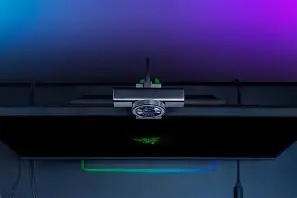
The Razer Kiyo V2 is positioned as a modern webcam that targets streamers, remote professionals, and creators who need reliable, flattering on-camera performance. It focuses on image clarity, consistent exposure under varying lighting, and easy software control. For users who frequently appear on video calls, webinars, or record content at their desk, a dedicated webcam can provide a noticeable upgrade over built-in laptop cameras.
Keychron Q16 He 8K — overview and intended use
The Keychron Q16 He 8K is a premium mechanical keyboard option aimed at discerning typists, software developers, and enthusiasts who prioritize typing feel, customization, and build quality. Keychron’s Q-series is known for offering solid construction and support for custom keymaps and switch swaps. For anyone who types for hours a day or wants a keyboard that will last and be tunable, this class of keyboard is an investment in comfort, speed, and long-term satisfaction.
Detailed product analysis
Video and conferencing: What the Razer Kiyo V2 delivers
Real-world buyers care about lighting, color accuracy, autofocus stability, and ease of setup. The Kiyo V2 addresses these through a combination of camera hardware and software integration. Users report that an external webcam provides better framing, exposure, and low-light performance than many laptop cameras, which is especially noticeable for those who have dim home-office lighting. The Kiyo V2’s built-in or integrated lighting solution and adjustable controls reduce the need to buy separate lighting equipment, making it a convenient single-piece upgrade.
For streamers, a webcam that maintains smooth motion at higher frame rates matters; for remote workers, accurate skin tones and consistent auto-exposure during movement are higher priorities. The Kiyo V2’s software features (camera control, presets, and easy switching between resolutions and aspect ratios) simplify these common tasks. Plug-and-play connectivity and vendor software that runs on macOS and Windows are practical benefits for laptop users who switch between devices.
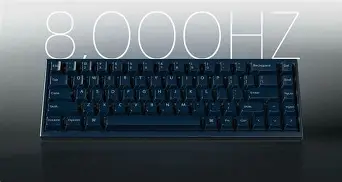
Typing and productivity: What the Keychron Q16 He 8K delivers
The benefit of a quality mechanical keyboard shows up in daily discomfort reduction, fewer typing errors, and the satisfaction that comes from tactile feedback. The Q16 He 8K emphasizes build materials and a tunable typing profile: robust frame materials, premium stabilizers, and either gasket or well-damped mounts to reduce harshness and improve acoustics. Hot-swappable switch sockets and compatibility with popular keyboard firmwares (such as QMK/VIA where applicable) are major pluses for users who like to tweak actuation, remap keys, or try different switch types over time.
Looking for the best Laptops & Computers deals on Amazon?
Shop Amazon →Software compatibility, wireless vs wired operation, battery life (if wireless), and size/layout (compact vs TKL vs full) are practical points. For a laptop user with a desktop-oriented workspace, a high-quality mechanical keyboard provides an ergonomic and performance benefit that compounds over years — especially for people who do a lot of writing, coding, or spreadsheet work.
Pros & Cons
Razer Kiyo V2
- Pros: Clear improvement over typical laptop webcams; good low-light handling; integrated lighting options reduce the need for additional gear; easy software control for exposure and color; plug-and-play convenience for mixed laptop environments.
- Cons: Incremental benefit for users who already have good ring lights and an external camera; takes up desk or monitor clamp space; does not address comfort or long-term productivity in the way an ergonomic keyboard does.
Keychron Q16 He 8K
- Pros: Substantial improvement to typing feel and accuracy; durable materials likely to outlast typical laptop lifecycles; customization options (switches, keycaps, firmware) extend useful life and personalization; often quieter and better-damped than budget mechanicals.
- Cons: Higher upfront cost compared with entry-level external keyboards; learning curve for non-mechanical typists (noise, key travel); desktop footprint may be larger and less portable than a laptop keyboard.
Side-by-side comparison
| Comparison Metric | Razer Kiyo V2 | Keychron Q16 He 8K |
|---|---|---|
| Primary benefit | Improves on-camera quality for video calls, streaming, and recorded content | Improves typing comfort, speed, and long-term ergonomics |
| Typical buyer | Content creators, remote workers, streamers who appear on camera frequently | Programmers, heavy typists, keyboard enthusiasts, productivity-focused users |
| Desk impact | Adds a small peripheral (mount/clamp) and potentially frees need for separate light | Adds a permanent desktop input device with a larger footprint |
| Customization | Software controls for exposure, image presets; limited hardware customization | High — switches, keycaps, firmware remapping, sound/feel tuning |
| Learning curve | Low — plug and use | Moderate — mechanical feel, remapping, layout considerations |
| Longevity | Good for several years; camera tech can be superseded if needs evolve | Very good — mechanical keyboards typically last many years and can be upgraded |
| Value driver | Immediate visual improvement for meeting/streaming quality | Incremental daily productivity and comfort gains that compound over time |
Real-world use cases and what buyers care about
Remote professionals and hybrid workers
Remote workers who spend a significant portion of the day on video calls will notice improved presence and fewer “bad lighting” excuses when upgrading to a dedicated webcam. The Kiyo V2 is a sensible choice for those whose work involves presenting, selling, or client-facing video interactions. Conversely, professionals who spend more time writing reports, coding, or entering data will benefit more from the tactile consistency and reduced fatigue delivered by a keyboard upgrade such as the Q16 He 8K.
Streamers and content creators
Creators who stream live or produce recorded video content gain from better autofocus, frame rates, and lighting control. The webcam simplifies setup and reduces the number of accessories rigs needed to look good on camera. However, if the creator’s content relies heavily on content creation workflows (editing, long-form typing, script writing), then the mechanical keyboard’s efficiency gains may be more impactful long-term.
Students and hybrid learners
Students often need portability and a balance of video clarity and comfortable typing. For students on a tight budget, prioritize what is most painful now: if lecture participation and presentations are frequent, a webcam helps; if note-taking and typing-intensive assignments dominate, a keyboard is a better investment.
Buying guide — how to decide which is better value
When making the purchase decision, treat the choice as an investment in workflow improvement rather than a single-spec trade. Use the checklist below to align the product to personal needs.
1. Identify primary daily tasks
- If video calls, streaming, or video content are more than occasional, prioritize the webcam.
- If typing, coding, or writing consumes multiple hours daily, prioritize the keyboard.
2. Evaluate desk space and portability
- Webcams are compact and portable — suitable for laptop users who move between workspaces.
- Mechanical keyboards are less portable and take permanent desk space; consider whether the user has a fixed workstation.
3. Consider longevity and upgrade path
- Mechanical keyboards offer upgrade paths: new switches, keycaps, or firmware tweaks that extend the life and alter the feel.
- Webcams are typically replaced when camera quality requirements change or when new features become necessary (e.g., superior low-light or hardware encoding).
4. Factor in complementary purchases
- Buying a webcam sometimes eliminates the need for separate lighting equipment, saving money and setup complexity.
- A mechanical keyboard may prompt additional purchases (wrist rest, custom keycaps, replacement switches) but can also be used as-is for immediate benefit.
5. Software and ecosystem compatibility
- Check whether the webcam’s software integrates smoothly with the user’s OS and conferencing tools. Ease of use often matters more than headline specs.
- For the keyboard, verify firmware support, hot-swap options, and whether the user wants wireless connectivity; latency and battery life are important if the keyboard will be used wirelessly.
6. Budget and opportunity cost
- If a single purchase is the limit, choose the product that addresses the most immediate pain point. Small improvements in camera quality are gratifying, but ongoing gains from keyboard comfort can compound into measurable productivity improvements.
Practical purchase scenarios
Scenario A — The sales professional who lives on video calls
Value leans to the Razer Kiyo V2. The sales professional’s success often depends on clear visual communication and presence; a webcam that consistently delivers flattering, clear video reduces friction and improves professional impression.
Looking for the best Laptops & Computers deals on Amazon?
Browse Now →Scenario B — The developer or writer who types 6–8 hours a day
Value leans to the Keychron Q16 He 8K. The day-to-day reduction in hand fatigue, increased typing accuracy, and the ability to customize the typing profile make the keyboard a compounding investment in productivity and comfort.
Scenario C — The hybrid creator who does both
Balance matters. If the budget allows, both upgrades are ideal — the webcam for outward-facing content and the keyboard for inward productivity gains. If forced to choose, identify which task currently causes more workflow friction and prioritize that device.
Maintenance, support, and resale considerations
Both types of peripherals are generally low-maintenance, but they differ in long-term owner options. Mechanical keyboards tend to have higher resale value and retain desirability in enthusiast markets. They can also be serviced (switch replacement, stabilizer lubing, custom keycaps) to extend usefulness. Webcams are typically less serviceable; firmware updates and software support are the main forms of product maintenance. Buyers should check warranty terms and manufacturer support channels for both products.
Conclusion
Neither product is universally “better” — the better value depends on what the user does most and where improvements will be felt daily. The Razer Kiyo V2 offers direct, immediate gains for anyone whose laptop camera is holding back professional video calls or creative streams. The Keychron Q16 He 8K, on the other hand, is an investment in longer-term productivity, comfort, and customization for users who type extensively. For most laptop users, the decision should come down to the primary daily pain point: choose the webcam to look better on camera today, or choose the keyboard to feel and perform better over months and years.
By matching the purchase to real-world priorities — meeting performance versus typing ergonomics — buyers can make the most cost-effective choice for their workflow. Both path choices deliver noticeable value; the right one simply aligns with what the user does at their laptop day after day.